Entry · Ref OJDYVKK6
The Art of Craft Cannabis Flower: Why Small-Batch Matters
- Posted
- 2026-10-12
- Last amended
- 2026-10-12
- Account
- @thecraftcannabisflowerfocus
Over the past few years I have watched the cannabis market swell with options. Walk into any dispensary and you are met with jars of every color, brand names that sound like craft breweries, and price tags that swing wildly. But after trying hundreds of samples from Oregon to Maine, I keep coming back to one category that consistently delivers a better experience: craft cannabis flower. It is not just a marketing label. It represents a philosophy of growing that prioritizes quality, transparency, and the subtle interplay of genetics and environment.
The difference starts with the growers. Large-scale operations often chase yield and uniformity, using techniques that maximize weight per square foot. That approach works for mass production, but it rarely produces the kind of nuanced profile that makes a strain memorable. Craft cannabis flower, on the other hand, comes from smaller facilities where the grower knows each plant. They adjust light cycles, nutrient schedules, and humidity by hand. They harvest at the exact moment when the trichomes show the right balance of milky and amber. That attention to timing directly affects potency and the way the flower smokes or vapes.
What Makes Flower Craft
Craft is not a regulated term in cannabis the way it is in beer or spirits, but the industry has developed an informal set of standards. Small-batch production is the foundation. A craft grower typically works with fewer than a few hundred plants at a time. That scale lets them inspect each plant daily, rotating pots and pruning selectively. They can also afford to take risks with unusual genetics, crossing heirloom varieties that might not yield well but offer a rare terpene profile.
Terpenes are the aromatic compounds that give each strain its signature scent and flavor. Limonene brings citrus notes, myrcene adds earthy musk, and caryophyllene contributes a peppery spice. In craft cannabis flower, the terpene content tends to be more pronounced because the drying and curing process is handled with care. Mass-produced flower often gets dried too quickly in a controlled room, which flattens the volatile compounds. A craft producer might hang whole plants for fourteen days at specific humidity, then jar-cure for another month. The result is a product that smells like the plant intended, not like hay.
The other major factor is how the grower manages the plant's life cycle. Indica, sativa, and hybrid classifications still matter, but experienced consumers know that those terms only tell part of the story. A true indica from a craft source might have a heavy body effect, but it can also carry bright flavors of blueberry and pine if the genetics are right. Sativa strains from small-batch growers often have a cleaner, more energetic high because the plants are allowed to ripen slowly under full-spectrum light. Hybrids, which dominate the craft market, offer the best of both worlds when the cross is intentional and the grower understands how each parent contributes.
Regional Roots and Reputation
Some of the best craft cannabis flower I have encountered comes from the West Coast, specifically Oregon, Washington, and California. These states have mature regulatory frameworks and a deep history of cannabis cultivation that predates legalization. Growers in Oregon's Willamette Valley, for example, have been breeding and selecting strains for decades. They understand the local climate and how to work with it rather than against it. Washington producers have invested heavily in soil science and water management. California, with its diverse microclimates, can produce everything from sun-grown sativas in the Sierra foothills to shaded indicas in Humboldt County.
That regional expertise shows up in the finished product. A flower grown in Oregon often has a distinct terroir, just like wine. The soil composition, elevation, and average temperature all influence the chemical profile. A batch from the coastal fog belt might have higher CBD content and a more sedative effect, while one from a dry inland valley could be richer in THC and more stimulating. Craft growers tend to celebrate these variations rather than trying to erase them. They market their flower with specific harvest dates and grow notes, which helps educated buyers make informed choices.
Navigating Potency and Purity
THC percentages have become a dominant selling point in the cannabis industry, and for good reason. Higher THC usually means stronger psychoactive effects. But potency is not everything. A strain that tests at 30 percent THC but lacks a balanced entourage of minor cannabinoids and terpenes can feel one-dimensional. Craft cannabis flower often sits in the 18 to 26 percent range, which is plenty strong for most users, but the experience is rounded out by CBD, CBG, and other compounds that modulate the high.
Lab-testing is standard practice for any reputable producer, but craft growers tend to go further. They test not just for potency but for residual solvents, microbial contaminants, and heavy metals. Some provide a full terpene breakdown on the package. That level of transparency builds trust. When I buy a jar of flower from a small-batch farm, I know I can look up the certificate of analysis and see exactly what I am inhaling. Mass-market brands sometimes cut corners, rushing product to shelves before the cure is complete or using synthetic pesticides that leave trace residues.
How to Shop for Craft Flower
Finding reliable craft cannabis flower requires a shift in mindset. Instead of just scanning the THC number, look for indicators of careful production. Ask the budtender about the grower's methods. Do they use organic inputs? How long do they cure? What is the harvest date? A fresh harvest that was properly stored will have plump trichomes and a strong aroma. If the flower crumbles to dust when you squeeze it, it is too dry and likely past its prime.
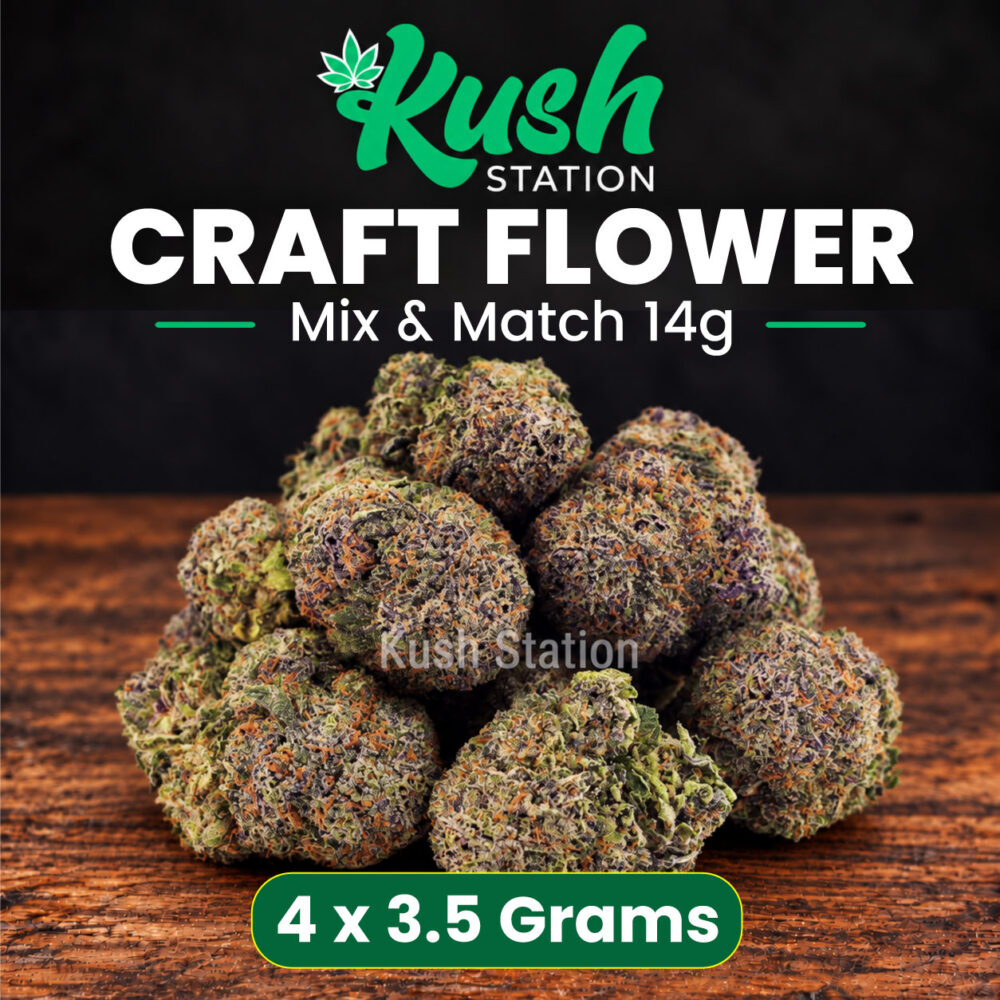
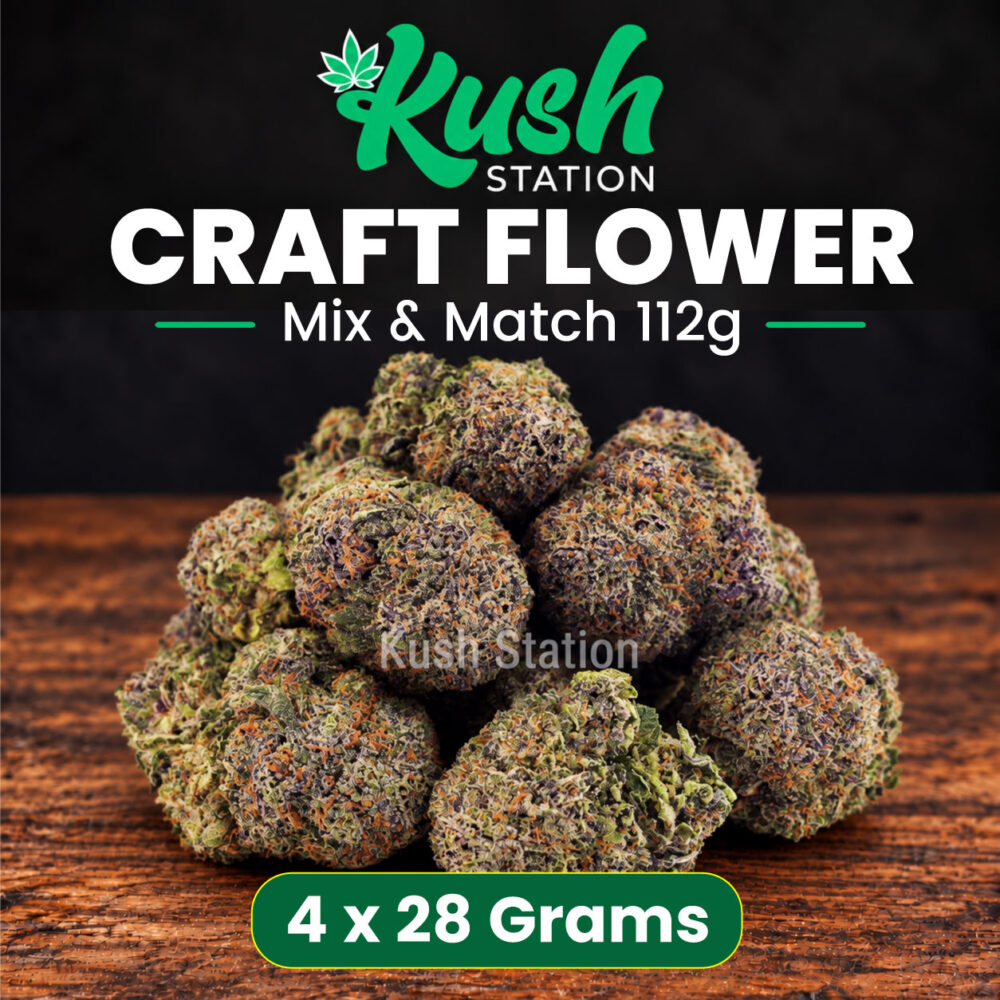
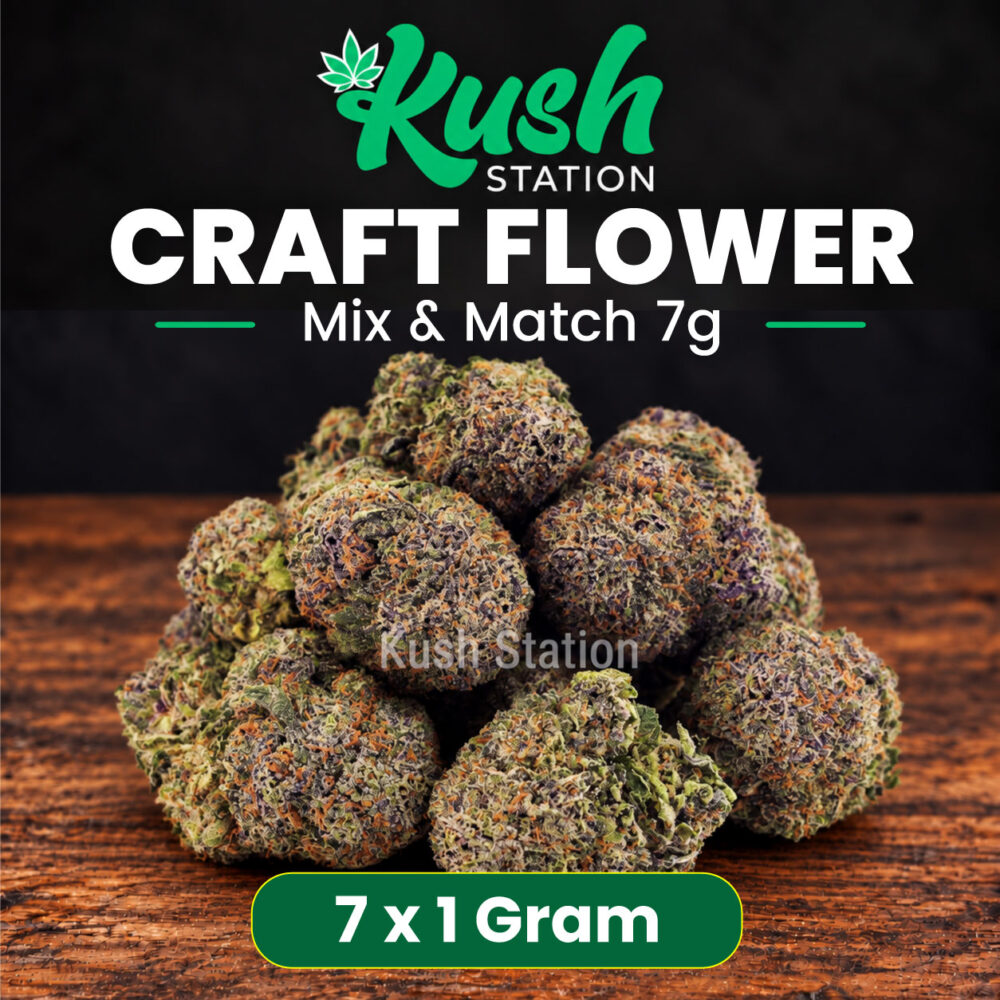
Many online retailers now offer curated selections that take the guesswork out of the process. KushStation, for example, focuses on craft cannabis flower and presents it in flower bundles that let you mix and match strains. That model makes sense for several reasons. First, it allows you to sample different profiles without committing to a large quantity of one strain. Second, the bundles are often assembled with complementary effects in mind. You might get a daytime sativa, an evening indica, and a balanced hybrid in the same order. Third, buying in bundles reduces packaging waste and shipping cost per unit, which aligns with the values of the craft community.
When you open a bundle, pay attention to the individual pieces. A mix and match approach rewards exploration. Try one strain in the morning and another at night. Note how the same terpene profile affects you differently depending on your mood and environment. Over time, you will develop a sense for what works best for your body and mind. That kind of personal knowledge is one of the real pleasures of engaging with craft cannabis flower.
Practical Tips for Evaluating Craft Flower
- Check the harvest and package dates. Ideally, the flower was harvested within the past six months and packaged within the past two.
- Look for visible trichome density under a bright light. More trichomes generally mean higher resin content, which translates to better flavor and potency.
- Smell the jar if possible. A complex aroma with distinct notes of citrus, pine, earth, or fruit suggests good terpene retention.
- Ask about the curing process. A slow cure of at least two weeks is a baseline, and many craft producers cure for four to six weeks.
- Read reviews from sources you trust, but keep in mind that individual tolerance and preference vary widely.
The Value of Artisanal Production
Artisanal cannabis is not cheap. The labor involved in hand-trimming, monitoring humidity, and maintaining a clean facility adds cost. But the price difference is often justified by the consistency and the overall experience. A premium flower that burns clean, tastes good, and delivers the intended effect is worth more than a bargain option that leaves you coughing or feeling foggy. Many consumers find that they use less flower when it is high quality, because the effects are more pronounced and last longer. That makes the effective cost per session comparable to lower-grade alternatives.
There is also a cultural dimension. Craft growers are often the ones preserving rare genetics and pushing the boundaries of what cannabis can be. They breed for flavor, aroma, and effect rather than just yield. By supporting them, you help keep those genetics alive and encourage innovation in the industry. The loss of biodiversity in cannabis strains has already been significant. Many of the classic varieties from the 1980s and 1990s have disappeared or been diluted by mass-market crosses. Small-batch producers are the stewards of that genetic heritage.
Final Thoughts
I have seen the market shift from a handful of generic options to an explosion of choice. The challenge now is not finding cannabis but finding good cannabis. Craft cannabis flower offers a path through the noise. It rewards curiosity and patience. Whether you are a seasoned enthusiast or someone just starting to explore beyond the basic categories, taking the time to find a reputable grower and a well-curated selection will change how you think about the plant. It is not about chasing the highest number. It is about understanding what goes into the jar and appreciating the skill that produced it.